Seasonal Event Planning: Hosting the Perfect Summer Fundraiser


Planning a summer fundraiser is an excellent way to bring people together for a good cause while taking advantage of the warm weather and longer days. Whether you're raising funds for a charity, school, or community project, hosting a successful event requires careful planning and creativity.
Choosing the Perfect Venue
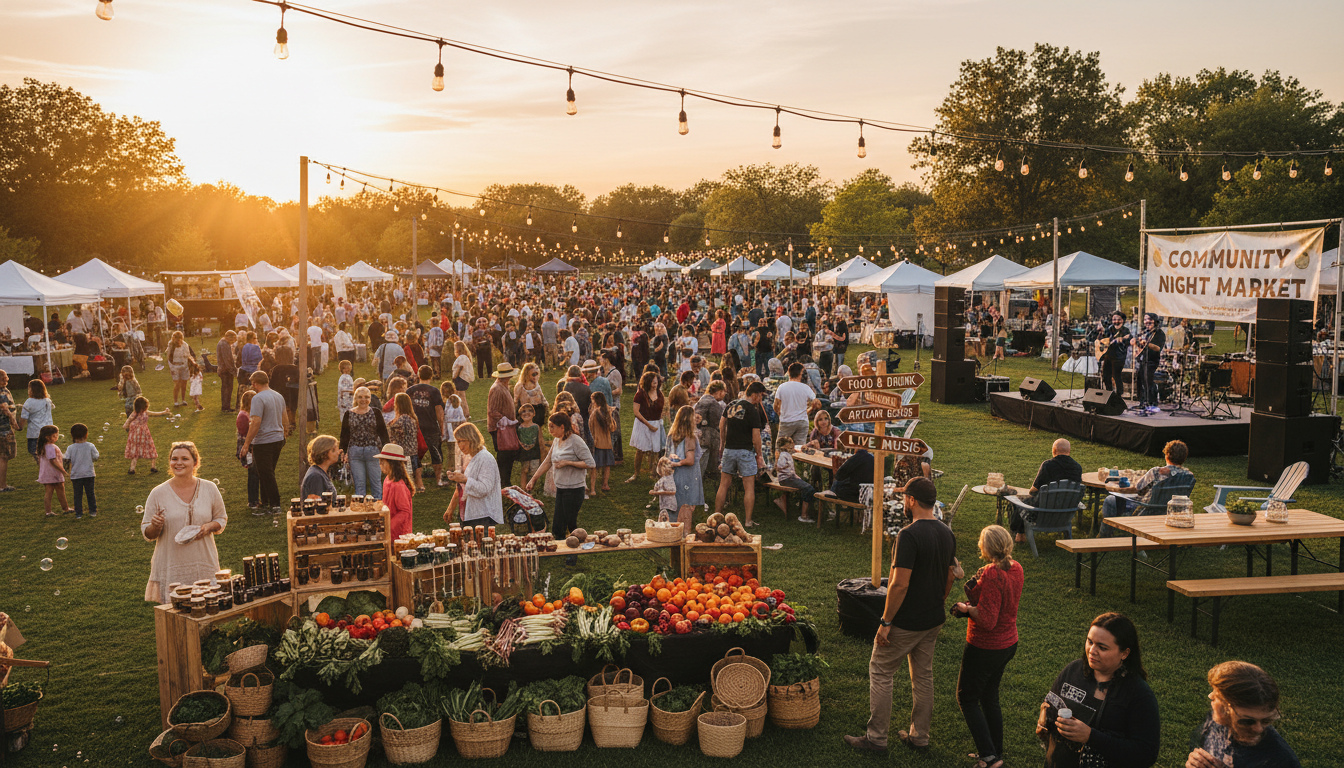
The venue is one of the most critical aspects of your summer fundraiser. Consider outdoor locations like parks, gardens, or beaches to embrace the summer vibes. Ensure the venue is accessible for all attendees and has the necessary facilities, such as restrooms and parking.
If an outdoor venue isn't feasible, indoor spaces with ample natural light and ventilation can still capture the essence of summer. Don't forget to account for weather contingencies, such as tents or indoor alternatives in case of rain.
Setting the Date and Time
Choosing the right date and time is crucial for maximizing attendance. Weekends are typically ideal for fundraisers, allowing families and working individuals to participate without scheduling conflicts. Consider holding the event in the late afternoon or evening to avoid the midday heat.
Check for any conflicting events in the community calendar to ensure your fundraiser doesn't overlap with other major happenings. This will help you attract a larger audience and boost participation.

Crafting an Engaging Theme
A well-thought-out theme can significantly enhance the appeal of your event. Themes like "Tropical Paradise," "Summer Carnival," or "Beach Bonanza" can add excitement and guide your event planning decisions. Decor, activities, and even food can be aligned with the theme to create a cohesive and immersive experience.
Encourage attendees to dress according to the theme, and consider offering prizes for the best outfits. This not only adds fun but also encourages participation and engagement.
Organizing Activities and Entertainment
Ensure your fundraiser is lively and engaging by planning a range of activities and entertainment. Consider live music, games, raffles, and auctions to keep attendees entertained. Interactive activities like workshops or demonstrations related to your cause can also enhance understanding and support.
Collaborate with local artists, musicians, or entertainers who may volunteer their time for the cause. This not only reduces costs but also strengthens community ties.

Promoting Your Event
Effective promotion is key to a successful fundraiser. Utilize social media, local newspapers, and community boards to spread the word. Create eye-catching posters and flyers, and consider leveraging email marketing to reach potential attendees.
Partner with local businesses to cross-promote the event. They can help with advertising in exchange for sponsorship recognition at the event, creating a win-win situation.
Post-Event Follow-Up
After the event, it's essential to thank your attendees, sponsors, and volunteers for their support. Send personalized thank-you notes or emails, and share the success of the fundraiser, including the amount raised and how it will be used.
Gather feedback through surveys to understand what worked well and what could be improved for future events. This information is invaluable for planning even more successful fundraisers in the future.